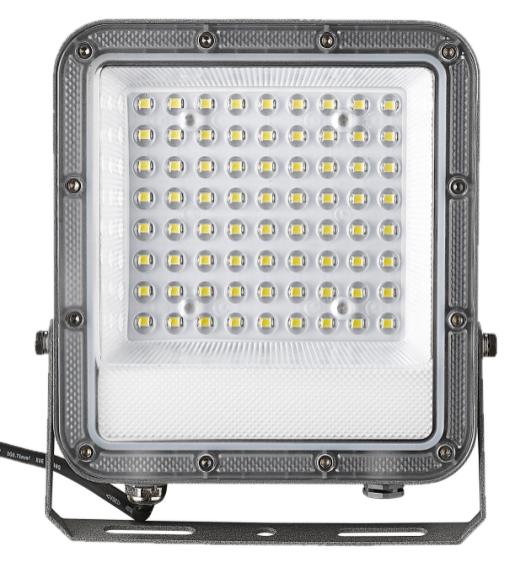
FL-YE-01W0100V144V01 — a 100 W UFO high bay on the YE-01 platform, lab-tested with our self-developed driver technology. Ship finished luminaires, or knocked-down kits for local assembly.
| Parameter | Specification |
|---|---|
| Part number | FL-YE-01W0100V144V01 |
| Type | High Bay · 100 W (UFO) |
| Output | 144 V / 610 mA ±5 % |
| LED load | 24C6B · 6 V LEDs (144 × SMD2835) |
| Driver | Self-developed high-PF flyback (single-board) |
| Input | 100–440 Vac · 47–63 Hz |
| Efficiency @ 230 Vac | ≥ 91.8 % |
| PF / THD | 0.956 / 28.53 % |
| Surge | 4 kV |
| Driver board size | 191.5 × 165 mm |
Constant current holds to roughly 290 Vac, then output folds back to protect the board. On our 100 W unit output settled near 38 W at 440 Vac : the fixture keeps running safely, it just will not deliver rated wattage. That behaviour is normal for any single-stage flyback and it is why we publish the measured 22-point grid. A supplier quoting only “100–440 Vac” without the derating curve is telling you half the story.
Typically 8–12 m in warehousing and logistics halls, 6–8 m in lower workshops and service bays. Narrower beam angles for high ceilings, wider for low ones. Mounting height and beam angle have to be chosen together — picking one without the other is the most common reason a high bay ends up with dark aisles. Send us the height and the target lux at floor level and we will match the optic.
At 32 °C ambient and 230 Vac, both driver ICs settle at 82.5 °C while the EE16 transformer winding reaches 100.6 °C. At 265 Vac the winding climbs to 104.3 °C and becomes the real thermal limit — not the IC, as most buyers assume. Extrapolated to a 45 °C ambient that is about 117.3 °C, roughly 13 K below the Class B 130 °C ceiling. That headroom is the number to check before specifying this fixture in an unventilated roof space.
Not by wattage alone. On delivered lumens a 100 W LED usually gets close to a 250 W high-pressure sodium lamp, but the number that decides whether your aisles stay lit is maintained lux at the working plane. That depends on mounting height, beam angle, luminaire efficiency and the maintenance factor your client accepts. Give us height and target lux; we will run the comparison rather than hand you a rule of thumb.
24 series × 6 parallel on 6 V SMD2835, 144 devices in total, driven at 144 V / 610 mA ±5 %. The series ratio is chosen so output voltage stays around 144 V while current stays moderate — that balance is what allows a single-board driver measuring 191.5 × 165 mm to carry the whole 100 W.
Actual ceiling temperature, first of all. Our thermal data was taken at 32 °C ambient; at 45 °C the winding sits near 117.3 °C, so a plant running hotter than that needs a different design, not a different sales claim. For dust, the two failure points are the housing gasket and the driver cavity. Tell us the environment and we will confirm the sealing level and the cleaning interval the fixture expects.
You do. Registration schemes such as BIS, SIRIM, TISI and SNI require a locally registered entity as the applicant. We supply the test data, BOM, driver specifications and technical file that your lab and agent need to file quickly. The certificate then sits in your company name — an asset on your balance sheet, not a document you borrow from a supplier.
Yes. The driver is a single board measuring 191.5 × 165 mm, mounted on standoffs and connected by plug-in leads, so it lifts out without disturbing the LED board or the optic. Keep a small stock of boards and a failed unit is a bench repair rather than a scrapped fixture.
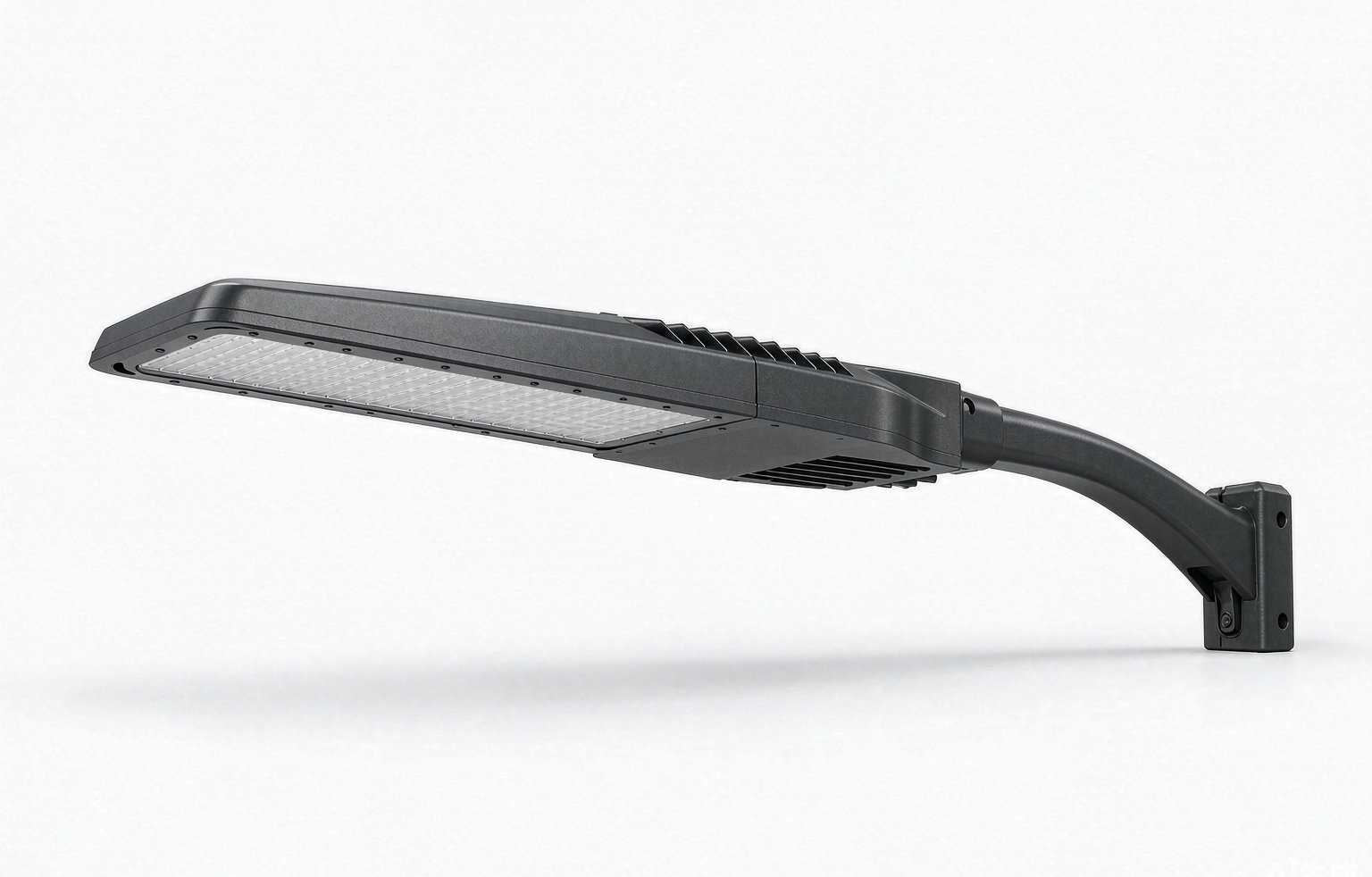
Road & area lighting on the same verified driver platform.
View Details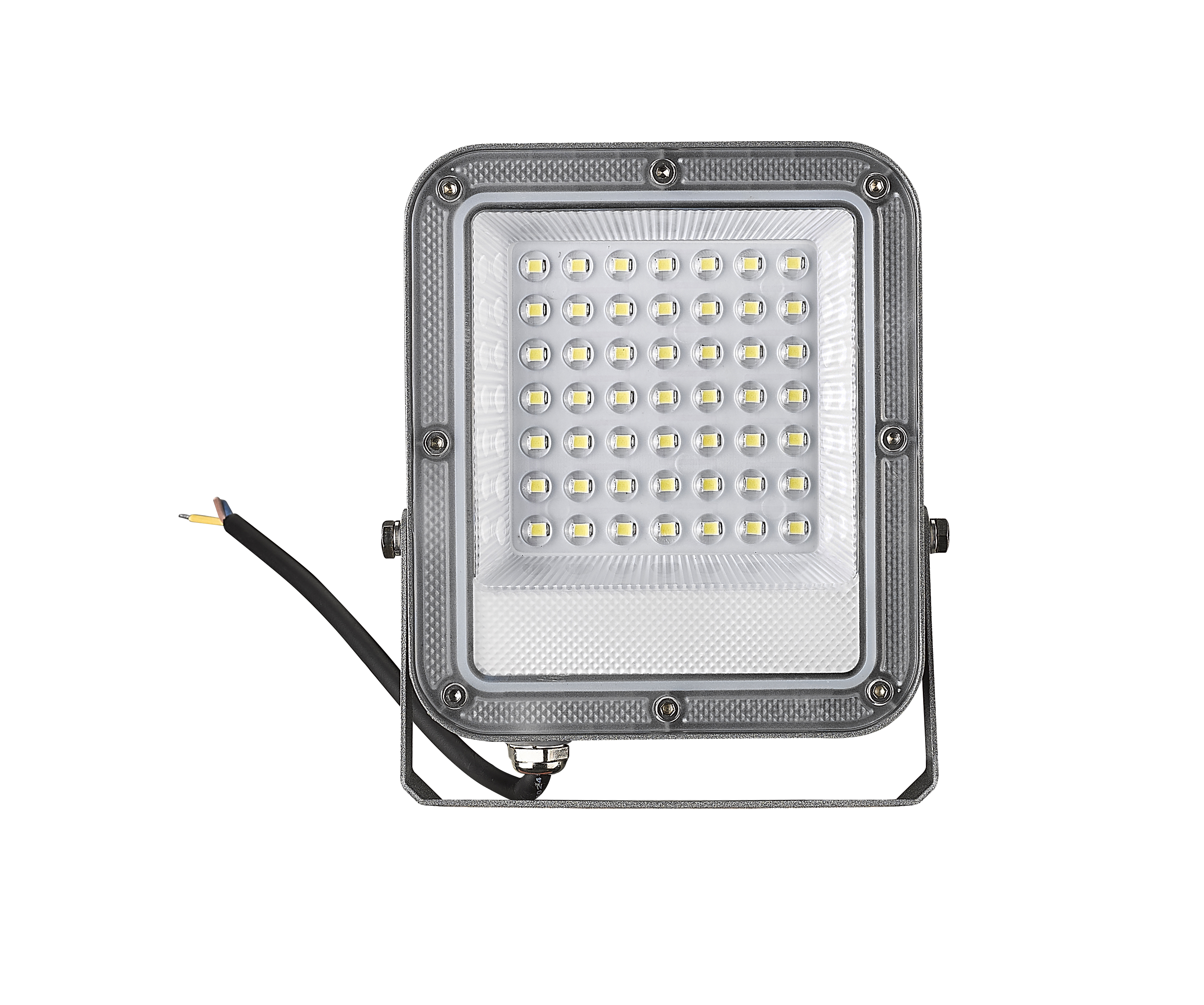
Power | 40 / 60 W Input | 100–440 Vac PF | > 0.95 Surge | 4 kV (platform)
View Details