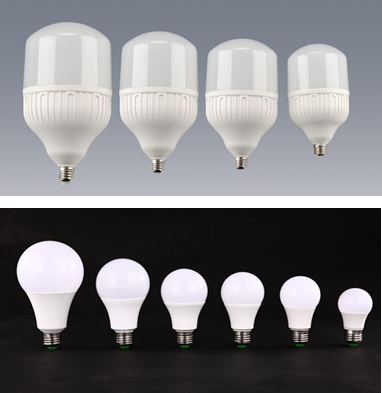
 LINEAR LED BULB · 9–50 W
High-power linear (T-bulb) series from 9 W to 50 W on our self-developed driver platform. Wide input range, low EMI and high efficacy — supplied as CKD kits for local assembly across Asia.
One driver platform covers 9–50 W. Wattage-specific derating curves (Vin vs Pin, THD) are provided with each quotation — tell us your target lumen package and base type.
| Parameter | Specification |
|---|---|
| Series wattage | 9 – 50 W (linear / T-bulb form factor) |
| Input voltage | 90 – 440 Vac |
| Surge capability | 4 kV |
| Power factor | 0.988 @ 230 Vac |
| THD | < 15 % @ 230 Vac |
| Light efficiency | > 105 lm/W |
| EMI | Low EMI — conduction & radiation compliant |
| OTP | Settable with external resistor |
| Driver platform | Self-developed high-PF platform |
| Supply model | CKD kits / finished bulbs |
Answers use the same platform data as the specification table above. Where a number has not been measured for this exact wattage, we say so instead of quoting a round figure.
Because the grid you are quoted is not the grid you get. Feeder voltage sags at the end of a line, rises at night when load drops, and swings hard when a large load switches nearby. A lamp rated only for 220–240 V works in the lab and fails in the field.
The wide range also means one SKU covers every market in the region, which simplifies your own stock keeping.
Over-temperature protection is set by an external resistor rather than being fixed inside the IC. Change that resistor and the same board serves a different wattage, so you buy one driver in volume and configure it per SKU at assembly instead of carrying five part numbers.
Because you are not the only load on the transformer. High harmonic distortion from lighting heats shared distribution transformers and neutral conductors, and utilities in several markets now check it at the connection point.
Under 15 % at 230 Vac full load keeps a large lighting installation from becoming the reason a building fails a power quality inspection.
Bases are an option, not standard: specify E27 or B22 and they ship with the kit. Most customers assembling locally prefer to source bases in-country, because they are bulky, cheap and easier to buy regionally than to ship from us.
It is a measured system figure for the series, not a chip datasheet number, so it is the value you can put in front of a utility or a tender specification. Whether it clears a particular energy-efficiency tier depends on the scheme — send us the tier you are targeting and we will confirm which wattages qualify.
You do. BIS, SIRIM, TISI and SNI all require a locally registered applicant. We provide the test data, technical file and driver documentation your lab needs, and the resulting certificate stays in your name rather than ours.
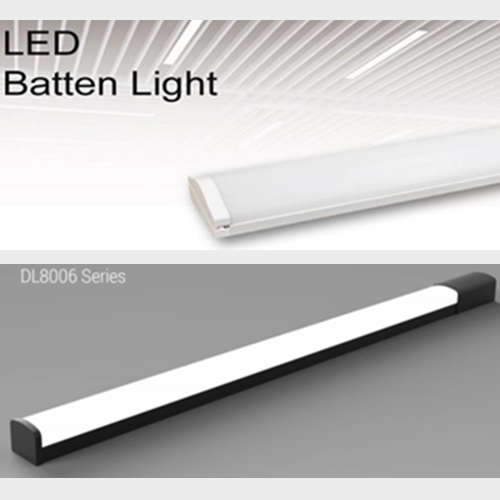
Surface-mount tube batten, high-integration driver, 90–440 Vac.
View Details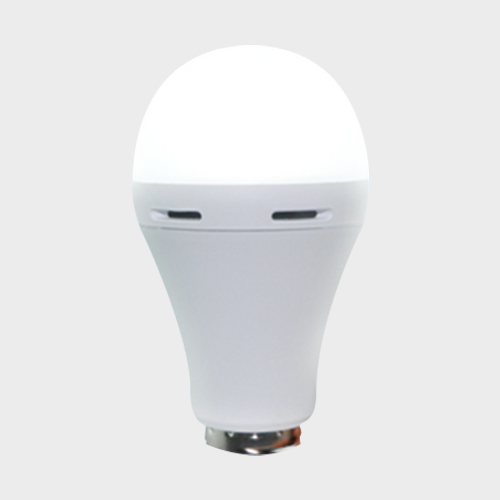
Fast-charging emergency bulb with battery management built in.
View Details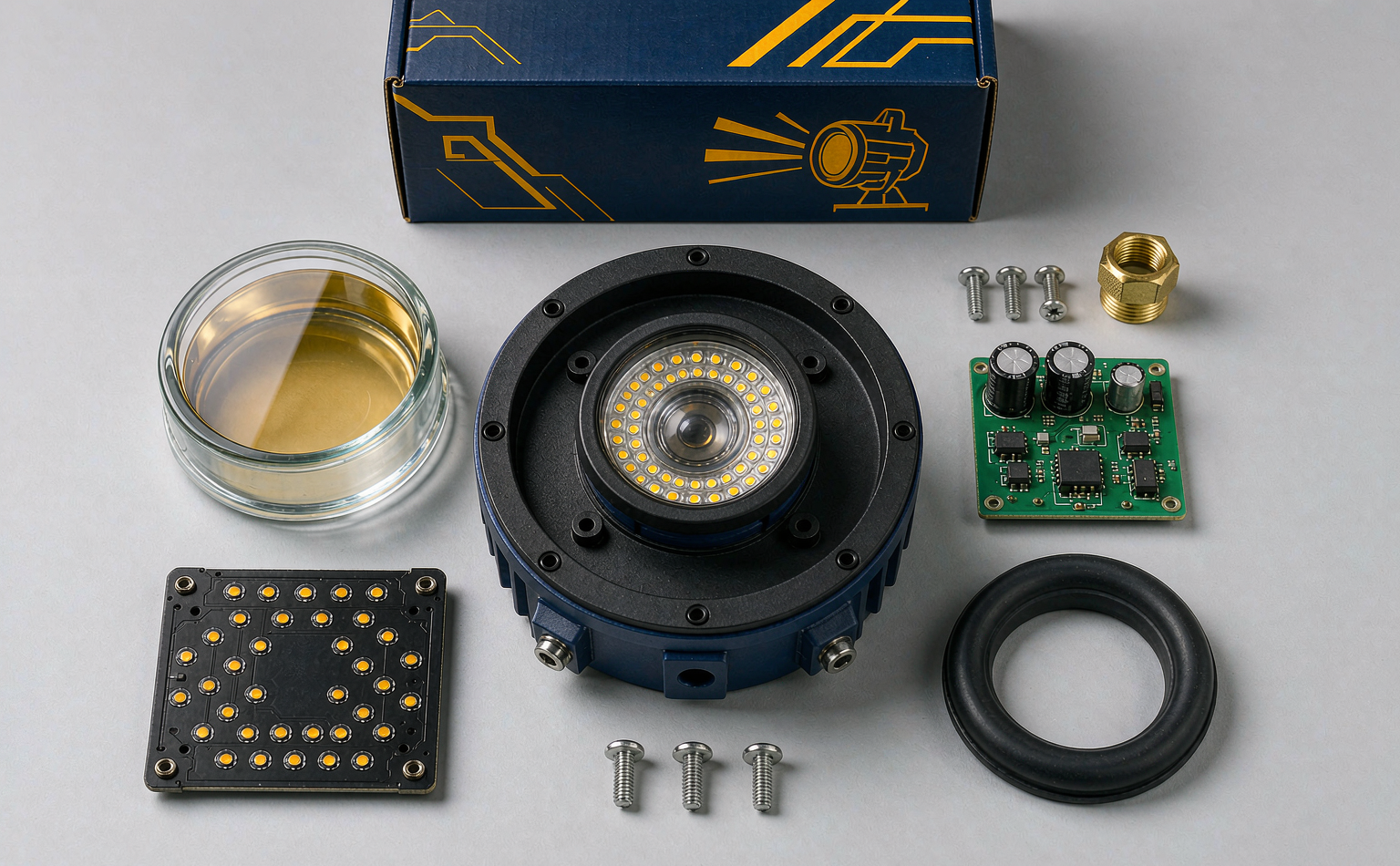
Knocked-down export: lower duty, local certification, one-day assembly training.
How It Works